
Modernizing Legacy Code: What a Web-Based VB6 Means for Business
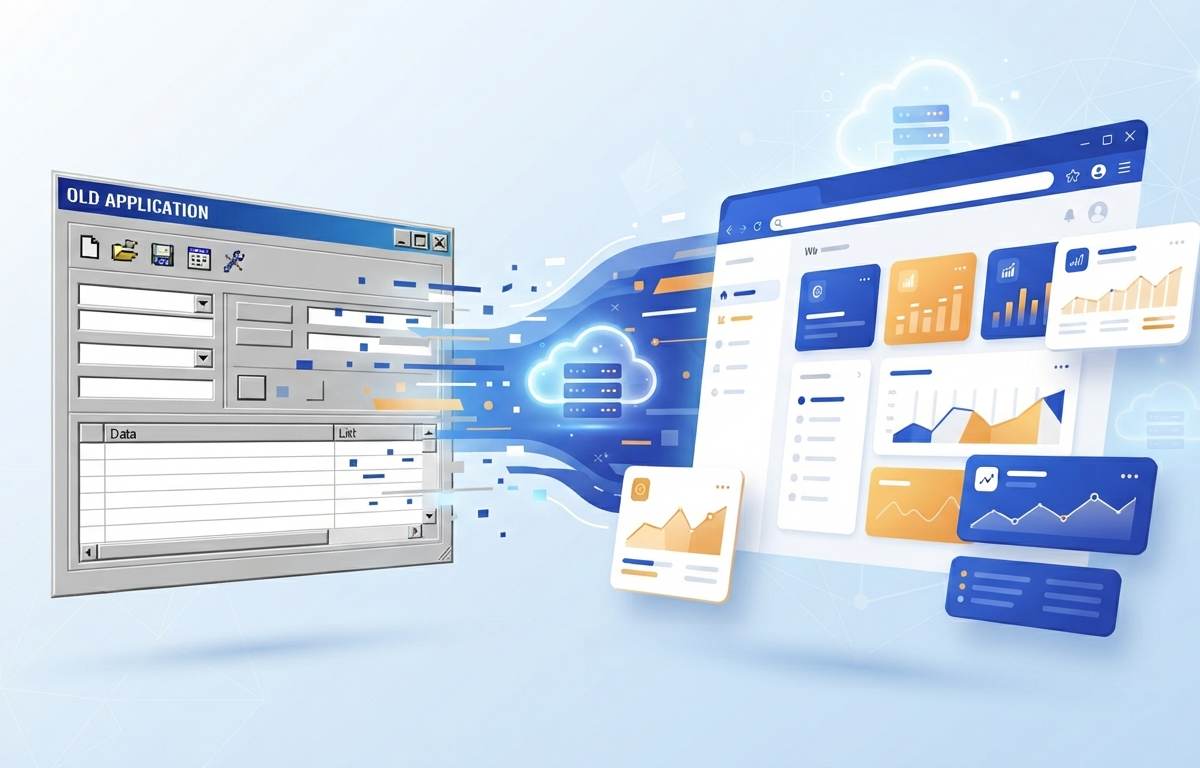
An independent open-source engineering project has recreated Microsoft iconic Visual Basic 6 integrated development environment to run natively inside modern web browsers. Originally launched in 1998, Visual Basic 6 was the foundation upon which an entire generation of corporate desktop applications was built. Seeing this familiar interface execute smoothly inside modern browsers without external plugins is both an impressive technical showcase and a symbolic milestone for modern web architecture.
On a global scale, the experiment emphasizes how far web technologies have advanced. Capabilities once exclusive to heavyweight desktop operating systems can now run instantly on any device with an internet connection. More importantly, it highlights an enduring reality of enterprise computing: legacy code rarely disappears. Thousands of organizations worldwide continue to depend on specialized, decades-old business logic, frequently maintaining obsolete desktop machines simply to keep daily operations functioning.
Operating on aging legacy architectures introduces compounding vulnerabilities. Unsupported runtimes lack modern cybersecurity protections, fail to interface with cloud-based analytics, and cannot natively support remote workflows or automated AI tools. While emulating legacy tools in a browser proves the versatility of modern web standards, it serves as a stark reminder of the technical debt organizations accumulate when they delay modernization.
Across Oman and the wider Gulf region, this reality hits close to home for many established family businesses, trading companies, and logistics providers. Decades-old custom desktop applications still quietly power inventory, billing, and accounting operations in numerous back offices. As Oman accelerates its Vision 2040 digital economy objectives, maintaining fragile desktop silos hinders operational agility and exposes companies to severe data security risks. Business leaders must recognize that relying on outdated software structures is an operational bottleneck.
The strategic takeaway for regional decision-makers is clear: modernizing legacy systems does not require abandoning established operational logic, but rather re-architecting it into secure, cloud-native web platforms. Migrating legacy workflows into modern web applications unlocks real-time executive dashboards, enables seamless integration with local payment gateways like OmanNet, and prepares business data for automated AI agents. Transitioning away from legacy desktop constraints is a vital step toward building an agile and resilient business.