
Securing Proprietary Digital Assets Against Shadow Distribution
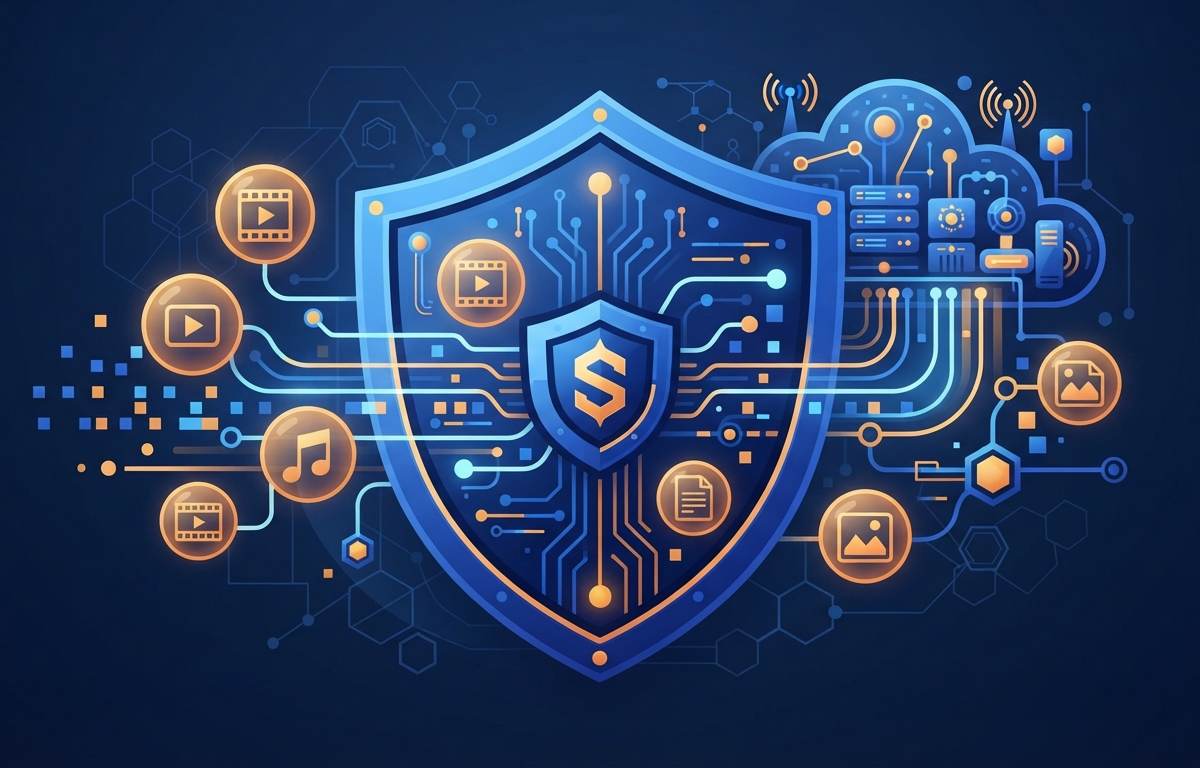
Digital content delivery has entered a complex era where unauthorized streaming and shadow distribution networks outmaneuver traditional enforcement. Recent industry observations highlight how modern piracy networks replicate and monetize premium assets through automated scrapers and clandestine delivery nodes, turning digital copyright enforcement into an increasingly sophisticated technological challenge.
The global fallout extends beyond entertainment conglomerates to corporate training portals, SaaS platforms, and specialized e-commerce providers. When proprietary data, high-value training assets, or bespoke media libraries leak into unmonitored ecosystems, brands face measurable revenue losses and severe data governance risks. Basic paywalls and static copyright notices are no longer sufficient against automated scraping tools.
Modern content defense demands a shift toward active cybersecurity architecture. Progressive digital organizations are deploying dynamic tokenization, cryptographic watermarking, and AI-driven API monitoring to detect scraping behaviors in real time. Rather than relying solely on post-infringement takedowns, forward-looking content distributors are embedding access verification directly into their application pipelines and microservices.
In Oman and the wider Gulf, where digital transformation initiatives under Vision 2040 are accelerating the growth of local media production, edtech platforms, and custom software ventures, safeguarding intellectual property is vital. Regional enterprises investing in proprietary knowledge bases, video portals, or specialized software must treat asset protection as a foundational cybersecurity priority rather than an operational afterthought.
For business leaders across the Sultanate, the immediate takeaway is to audit content pipelines and user endpoints. Implementing hardened cloud CDNs, robust API rate-limiting, and automated behavioral analytics protects core revenue streams while ensuring proprietary media remains strictly under enterprise control.